Growing a High-Risk Portfolio Requires More Than More Merchants
For many payment providers, growth opportunities are increasingly concentrated in high-risk industries.
Wellness, hemp, kratom, peptides, gaming, adult, and other regulated sectors often represent some of the fastest-growing merchant categories available. They also generate higher margins and create opportunities to differentiate from competitors who avoid these markets altogether.
Yet many ISOs, PayFacs, processors, and acquiring banks discover that scaling a high-risk portfolio introduces a different set of challenges. More merchants often means more manual reviews, more monitoring requirements, more compliance exposure, and more operational complexity.
The question is no longer whether high-risk portfolios can grow. The question is how to grow them without creating disproportionate risk.
The answer often comes down to the technology and controls operating behind the portfolio.
Continuous Merchant Monitoring
Traditional underwriting was designed for a different era.
Most onboarding processes evaluate a merchant once, approve them, and then rely on periodic reviews or customer complaints to identify problems later.
The challenge is that merchant websites change constantly.
New products are added. Marketing language evolves. Shipping destinations expand. Age-restricted products appear. Regulatory requirements change.
A merchant that was compliant during underwriting may look very different a month later.
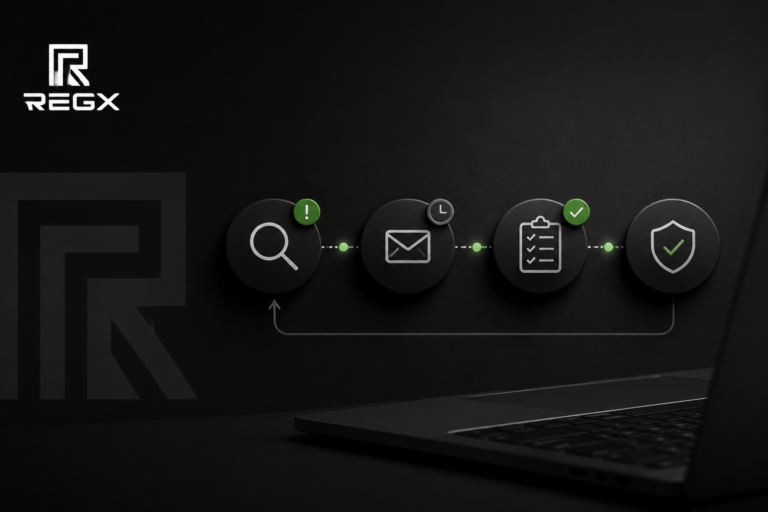
Continuous monitoring helps identify these changes as they occur rather than after a chargeback spike, regulatory inquiry, or network escalation. This gives risk teams visibility into merchant behavior between reviews instead of relying on snapshots taken months apart.
Automated Compliance Validation
One of the biggest obstacles to expanding into high-risk sectors is the volume of compliance checks required.
Reviewing disclaimers, age-gating, restricted products, prohibited marketing language, shipping restrictions, and regulatory disclosures manually can quickly become unsustainable as portfolios grow.
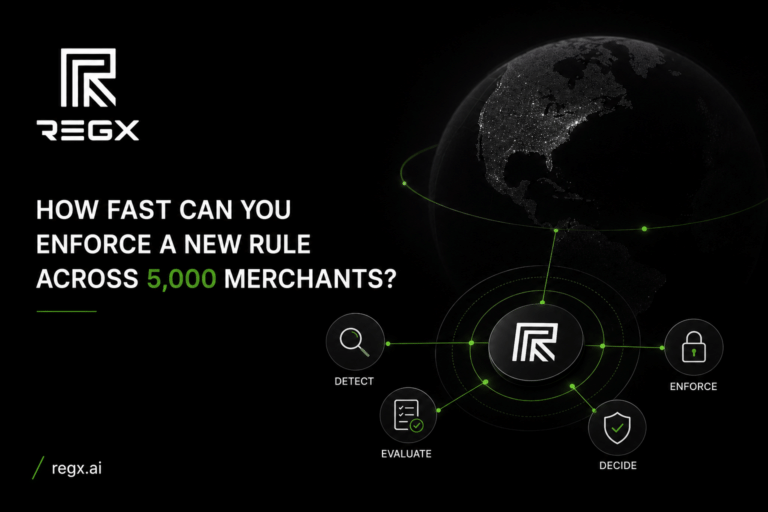
Automated compliance validation allows providers to evaluate these requirements continuously and consistently across thousands of merchants.
Instead of spending time looking for obvious violations, risk and underwriting teams can focus their attention on exceptions that genuinely require human judgment.
This creates a more scalable operating model while improving consistency across the portfolio.
Real-Time Product and Content Detection
Many portfolio issues begin with changes that nobody notices.
A merchant launches a new product category. A prohibited ingredient appears on a product page. Marketing language drifts into restricted territory. New states become available for shipping despite regulatory restrictions.
These changes often happen gradually, making them difficult to catch through periodic reviews.
Real-time content and product detection creates visibility into merchant activity as it happens. Rather than waiting for complaints, audits, or enforcement actions, providers can identify potential concerns early and address them before they become portfolio-wide issues.
Centralized Risk Intelligence
As portfolios expand, risk information often becomes fragmented across departments.
Underwriting has one set of data. Compliance teams have another. Portfolio management maintains separate records. Merchant support may have visibility into issues that never reach risk teams.
This fragmentation creates blind spots.
Centralized risk intelligence brings merchant monitoring, compliance findings, underwriting data, and operational alerts into a single view.
The result is faster decision-making, improved consistency, and better visibility into emerging trends across the entire portfolio.
Early Warning Systems
The most effective risk programs focus on prevention rather than reaction.
By the time a merchant reaches chargeback thresholds, attracts regulatory attention, or triggers network scrutiny, the exposure already exists.
Early warning systems help identify patterns before they escalate.
This could include the appearance of restricted products, changes in website language, missing compliance disclosures, geographic expansion into restricted jurisdictions, or other indicators that merchant risk is changing.
When risk teams receive these signals early, they have more options available to address issues before they become costly problems.
Scalable Operations
Perhaps the most important feature of all is scalability.
Every payment provider eventually reaches a point where manual processes become the limiting factor to growth.
The organizations that successfully expand their high-risk portfolios are typically not the ones hiring the largest teams. They are the ones building systems that allow existing teams to focus on analysis, decision-making, and relationship management rather than repetitive monitoring tasks.
Technology cannot replace risk expertise, but it can significantly improve how that expertise is applied across a growing portfolio.
Growth and Risk Do Not Have to Compete
For years, many payment providers viewed portfolio growth and risk management as opposing objectives.
In reality, the strongest high-risk portfolios are often built on the most sophisticated compliance and monitoring frameworks.
When providers gain continuous visibility into merchant behavior, automate repetitive compliance checks, and identify issues before they escalate, growth becomes more predictable and more sustainable.
The future of high-risk portfolio expansion will not be determined by who approves the most merchants. It will be determined by who can monitor, manage, and support those merchants most effectively after approval.
RegX.ai helps ISOs, PayFacs, processors, and acquiring banks achieve this through continuous merchant monitoring, automated compliance validation, and real-time portfolio intelligence designed specifically for high-risk commerce.